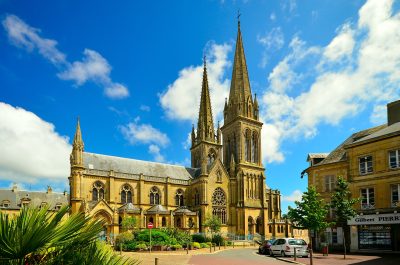
Juno Beach
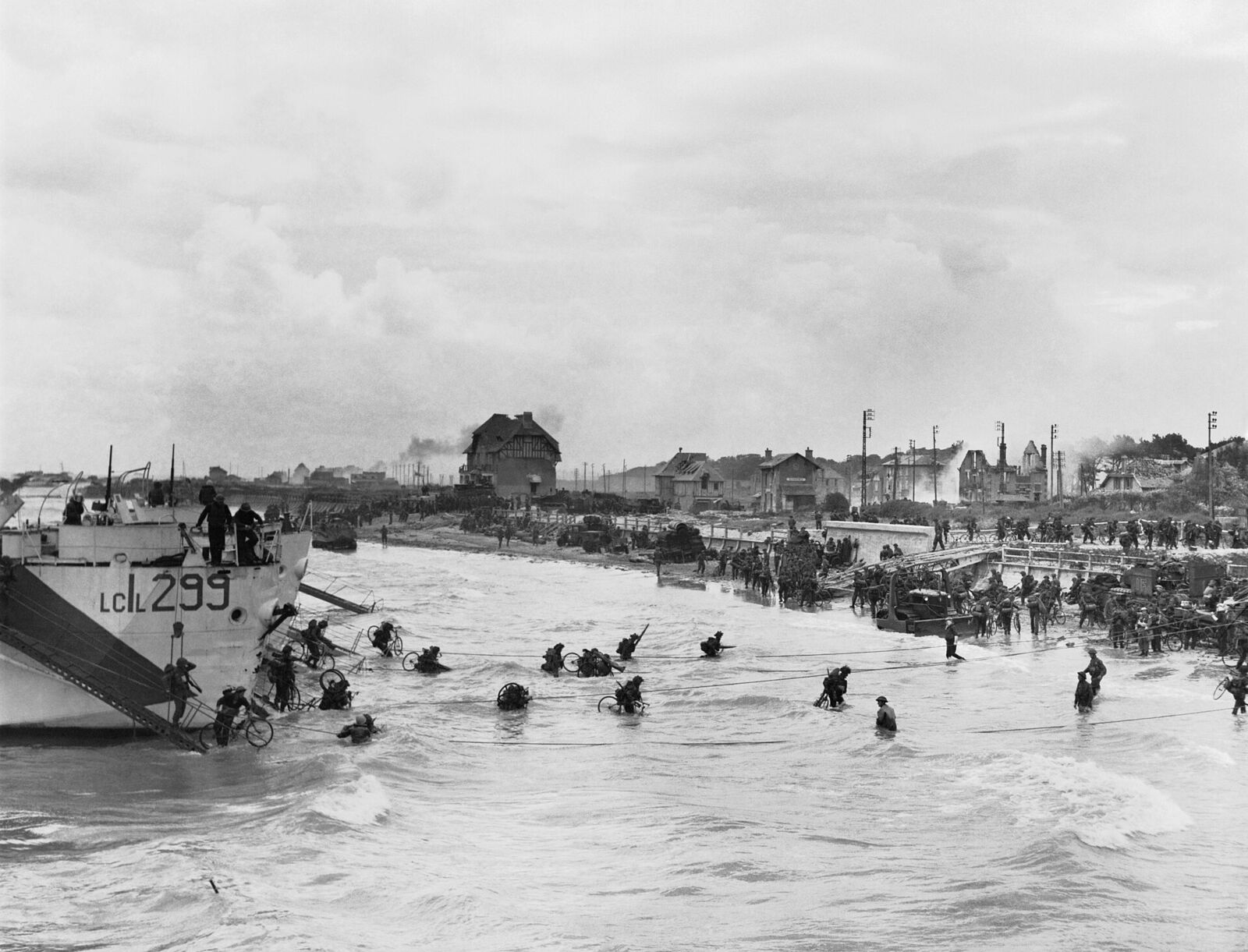
The landing beach assigned to the 3rd Canadian Infantry Division, who came ashore against heavy defences at Courseulles, Bernières and Saint-Aubin. Despite costly first waves the Canadians pushed furthest inland of any Allied force on D-Day.
Juno is the beach where Canada came of age. Between the British sectors of Gold and Sword, on a five-mile arc of sand fronting the resort villages of Courseulles-sur-Mer, Bernières-sur-Mer and Saint-Aubin-sur-Mer, the 3rd Canadian Infantry Division came ashore on the morning of 6 June 1944. By nightfall its forward troops stood deeper inside occupied France than any other Allied division that day. The price was paid in the first few minutes, on open sand raked by guns that the naval bombardment had failed to silence.
A late start on a rising tide
Juno's assault went in later than the others. Offshore reefs forced the planners to delay H-Hour until the tide had risen enough to carry the landing craft over the rocks - but by then the water was also climbing over the belt of mined obstacles staked along the foreshore. Craft that should have grounded in front of the obstacles now had to thread between them, and many were holed or blown apart before their ramps dropped.
Two brigades led the way. In the west, at Courseulles, the 7th Brigade's Royal Winnipeg Rifles and Regina Rifle Regiment landed either side of the little harbour mouth. In the east, the 8th Brigade's Queen's Own Rifles struck Bernières and the North Shore Regiment took Saint-Aubin. The defences here were held by a static German division, but its strongpoints - concrete casemates, machine-gun nests and anti-tank guns sited to fire along the sand - were intact and waiting. The amphibious DD tanks that arrived to support the infantry, launched despite a heavy sea, made the crucial difference; at Omaha, where they were largely lost, the cost was far worse.
The men on the sand
The opening moments at Bernières were among the worst any Canadian unit endured. One company of the Queen's Own Rifles lost heavily in the sprint from waterline to sea wall, cut down before it could reach cover - the regiment counted well over a hundred killed and wounded in the first minutes. Yet within a short time the same men had cleared the seafront houses and were pushing inland. Among the assault troops was the French-speaking Régiment de la Chaudière, whose soldiers startled liberated villagers by answering them in fluent Norman-inflected French; some locals refused at first to believe these were men from across the Atlantic.
By evening the division held a continuous beachhead and had driven several kilometres inland, closer to the Caen-Bayeux road than any of its neighbours. The deepest advance came at a cost of nearly a thousand casualties on the day.
What to see today
The natural starting point is the Juno Beach Centre at Courseulles, the only museum on the coast dedicated to the Canadian war effort, standing directly behind the dunes the men crossed. A short walk away, near the harbour, a recovered Sherman DD tank - pulled from the sea years after the battle - stands as a memorial to the armoured regiments that landed here.
At Bernières, walk the seafront to find the Maison des Canadiens, a half-timbered, thatch-roofed villa of 1928 that was among the first houses liberated on the beach. It appears in some of the most reproduced newsreel footage of the day, and volunteers still open it to visitors. At Saint-Aubin, the surviving WN27 bunker keeps its original gun in place, its face scarred by the fire of an assault tank - one of the most tangible reminders of the fighting anywhere on the coast.
Finally, on the boundary of Courseulles and Graye-sur-Mer, look for the tall steel Croix de Lorraine. It marks the spot where, on 14 June 1944, General de Gaulle stepped back onto French soil for the first time in four years - Juno's quiet postscript to a violent morning.
Practical notes
The D514 coast road runs the length of Juno, threading through Courseulles, Bernières and Saint-Aubin one after another, and each has seafront parking within a minute's walk of the sand. Courseulles, with its harbour and the museum behind the dunes, is the obvious place to leave the car if you only stop once. The beach itself is open access and free; the museum is ticketed. Allow half a day for the sector as a whole - an hour on foot along one stretch of seafront, and a couple more if you go inside.
Underfoot the going is easy. The promenades are paved and level all along the resort fronts, and at low tide the sand is broad and firm, so the seafront works well with a wheelchair or a pushchair. Getting down onto the sand means ramps in some places and steps in others, and the loose dry sand above the tideline is hard work on wheels.
Inland, Bény-sur-Mer Canadian War Cemetery is a few minutes' drive from the beach and completes the Canadian story with a quiet the coast no longer has. Continuing east on the same road brings you to Sword Beach in well under an hour.
More in the Juno Beach sector
View on mapD-Day Museums (2) · War Cemeteries (1) · Liberation Villages (4) · Memorials & Monuments (1) · Key Sites & Landmarks (1)
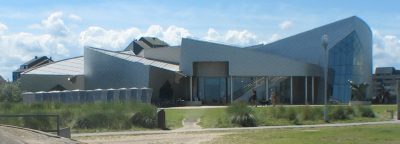
Juno Beach Centre
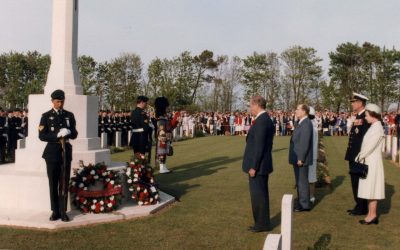
Bény-sur-Mer Canadian War Cemetery
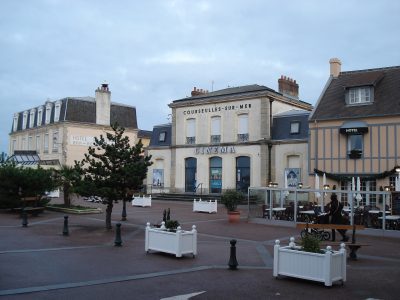
Courseulles-sur-Mer

Ardenne Abbey
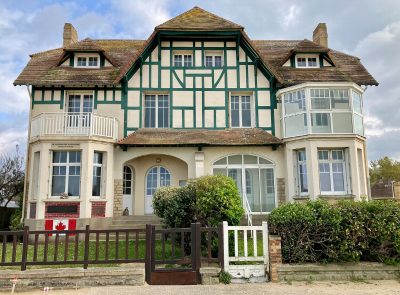
Maison des Canadiens
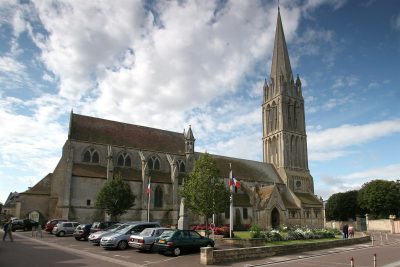
Bernières-sur-Mer
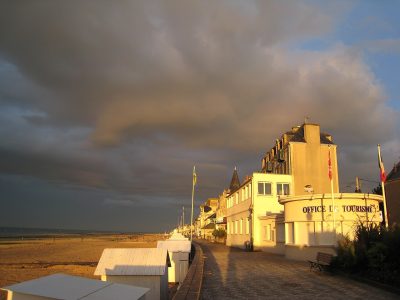
Saint-Aubin-sur-Mer
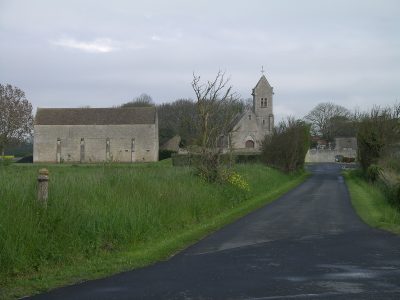
Graye-sur-Mer