Gold Beach
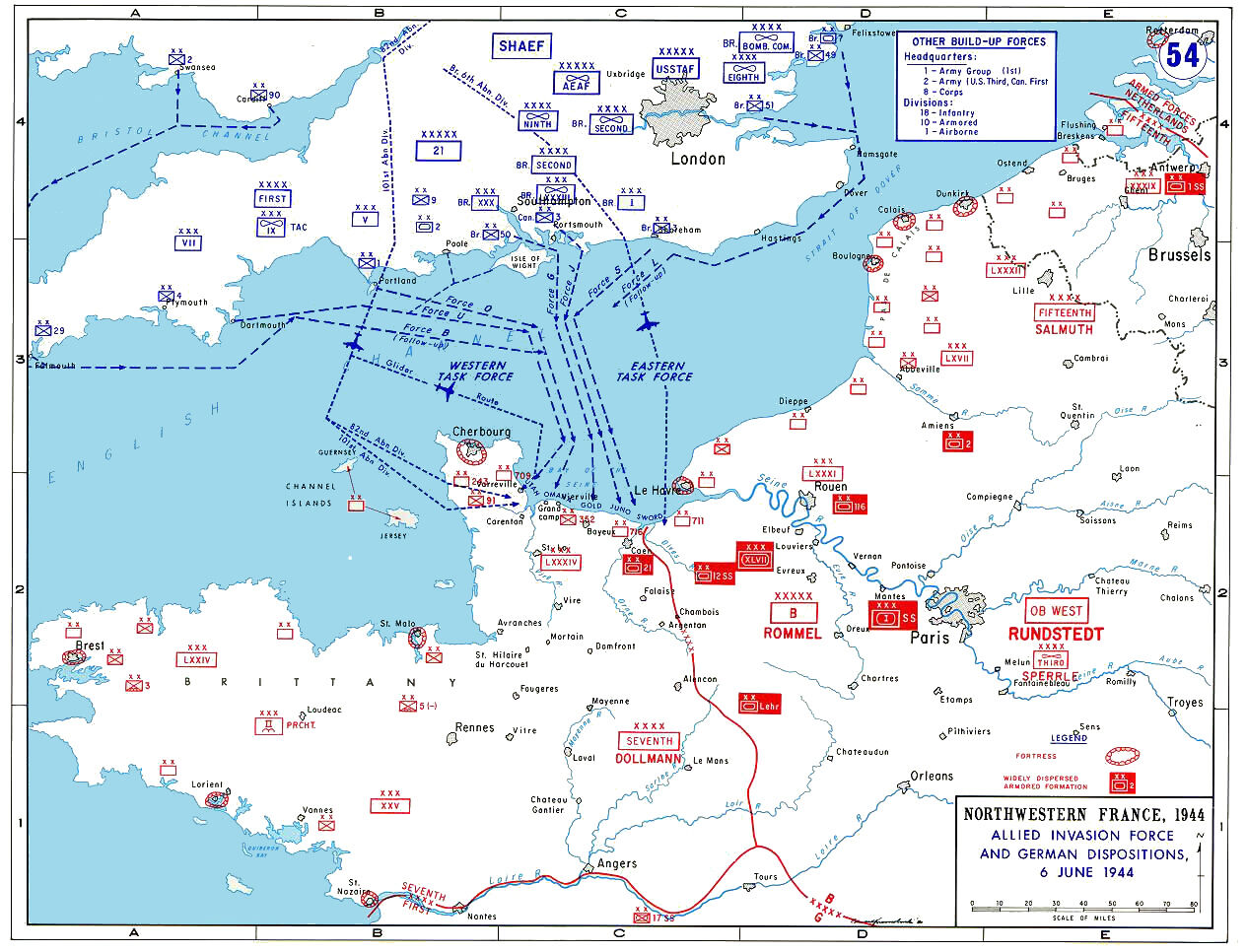
The central landing beach, assaulted by the British 50th Division. By nightfall on 6 June 1944 troops had pushed several kilometres inland and nearly reached Bayeux. It was at Gold that the Mulberry harbour was later assembled off Arromanches to supply the advancing armies.
Gold was the middle of the five invasion beaches, the hinge on which the British and Canadian landings to the east met the Americans to the west. Its capture was handed to a division of hardened veterans, and its wide, gently shelving sands would soon carry one of the most audacious feats of engineering of the whole war ashore. Today it is a quiet stretch of the Calvados coast, but the ground still holds the marks of what happened here.
The assault of 6 June
The beach was taken by the 50th (Northumbrian) Infantry Division, part of XXX Corps and hand-picked for the task because its men had already fought in North Africa and Sicily. The landing frontage ran between the fortified villages of Le Hamel to the west and La Rivière to the east, split into two sectors: Jig, where the Hampshires and Dorsets came ashore, and King, taken by the Green Howards and East Yorkshires.
The morning did not go to plan. A strong wind piled the sea up and drove the tide in faster than expected, so the beach obstacles were still half-submerged when the first craft grounded. Many of the amphibious Duplex Drive tanks, meant to swim ashore ahead of the infantry, had to be landed directly onto the sand or launched only yards out. At Le Hamel a strongpoint built around a commandeered sanatorium held out for hours, its 75mm gun firing along the beach until the afternoon, when an armoured engineer vehicle finally silenced it with a heavy petard bomb into its rear. At La Rivière a casemated gun was knocked out at point-blank range by a flail tank of the Westminster Dragoons.
It was here that the only Victoria Cross of D-Day was won. Company Sergeant Major Stanley Hollis of the 6th Green Howards, moving inland toward the Mont Fleury battery, single-handedly cleared two German pillboxes, firing his Sten through the slit and following it with grenades, then later that day charged a concealed field gun near Crépon to bring back two of his men pinned in an orchard. His actions, the citation noted, saved many lives and kept the advance moving.
By nightfall the division had pushed several kilometres inland and stood almost at the gates of Bayeux, which fell the following day - the first French town liberated, and one of the very few to escape the fighting largely undamaged.
What to see today
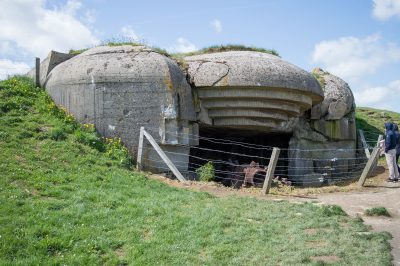
The best orientation point is the Longues-sur-Mer battery, on the cliffs at the western end. It is the only Normandy battery to keep several of its original naval guns in their casemates; from the observation bunker on the cliff edge you can see east along the coast toward the harbour remains. It is open ground, free to wander.
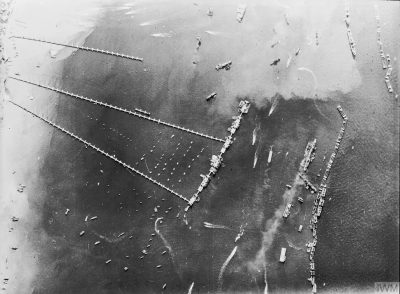
A short drive east lies Arromanches, where at low tide the enormous concrete caissons of the Mulberry harbour still lie stranded across the bay - the artificial port towed from England in sections and sunk into place to land supplies before a real harbour could be captured. The scale of the wreckage on the sand is the single most striking sight on this coast.
At Ver-sur-Mer, above the eastern sands, stands the British Normandy Memorial, a colonnade recording by name the tens of thousands of servicemen under British command who died in the campaign. Nearby a Sexton self-propelled gun marks the landing itself. Inland at Crépon, look for the regimental memorial to the Green Howards, a bronze soldier at rest that also honours Hollis. Together these sites trace the day's advance from the water's edge to the fields beyond.
Practical notes
The D514 coast road runs the whole length of Gold, and you can drop down to the sand at any of the seafront villages strung along it. Asnelles has parking a few steps from the beach at the western end, and there are further car parks behind the dunes toward the eastern sectors. The beach itself is open access and free, with no gate and no closing time; the cliff battery is likewise free to walk into.
Allow an hour if you only want the sand, or the better part of a day to link the battery, the harbour remains and the memorial into one circuit along the coast. Check the tide before you set out, because the beach that the assault crossed only reveals its full width at low water.
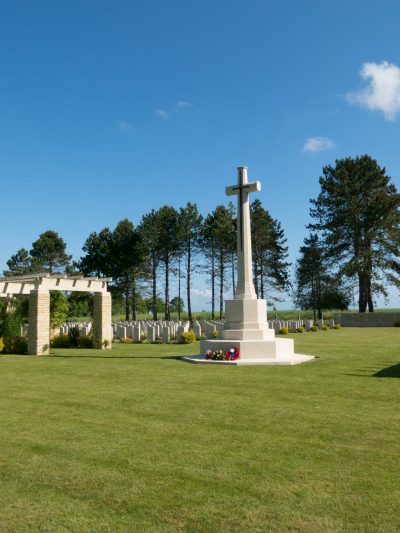
Underfoot it is easy going. The sand is broad and firm at low tide and the village promenades are paved and level, so the shoreline works well with a wheelchair or a pushchair. The bunkers on the cliffs are a different matter: rough grass, uneven ground and low concrete doorways, with a short unsurfaced path out to the observation post on the cliff edge. Inland, Ryes War Cemetery makes a quiet counterweight to the beach and is rarely busy - a few minutes' drive, and half an hour is enough.
More in the Gold Beach sector
View on mapMulberry Harbour Remains (1) · Atlantic Wall Batteries (1) · Memorials & Monuments (1) · Liberation Villages (4) · War Cemeteries (1)
Mulberry Harbour, Arromanches
Longues-sur-Mer Battery
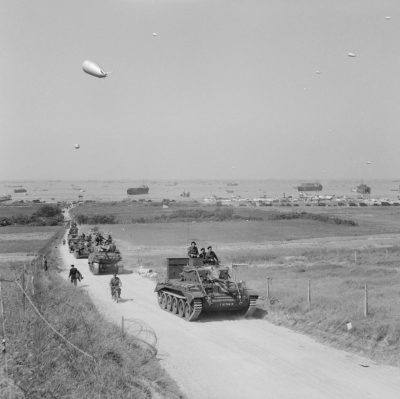
British Normandy Memorial
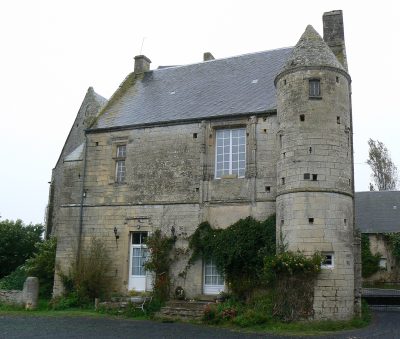
Port-en-Bessin
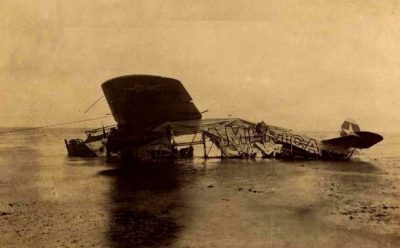
Ver-sur-Mer
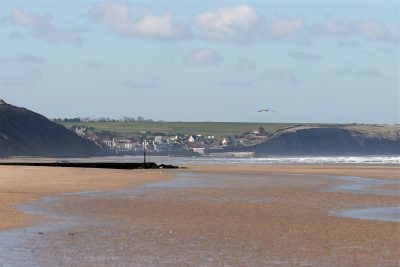
Asnelles
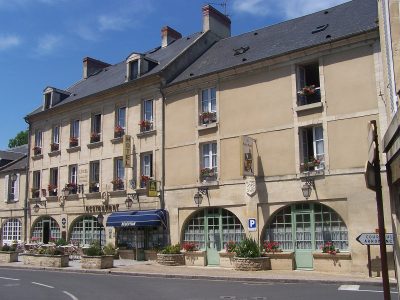
Creully