Ranville
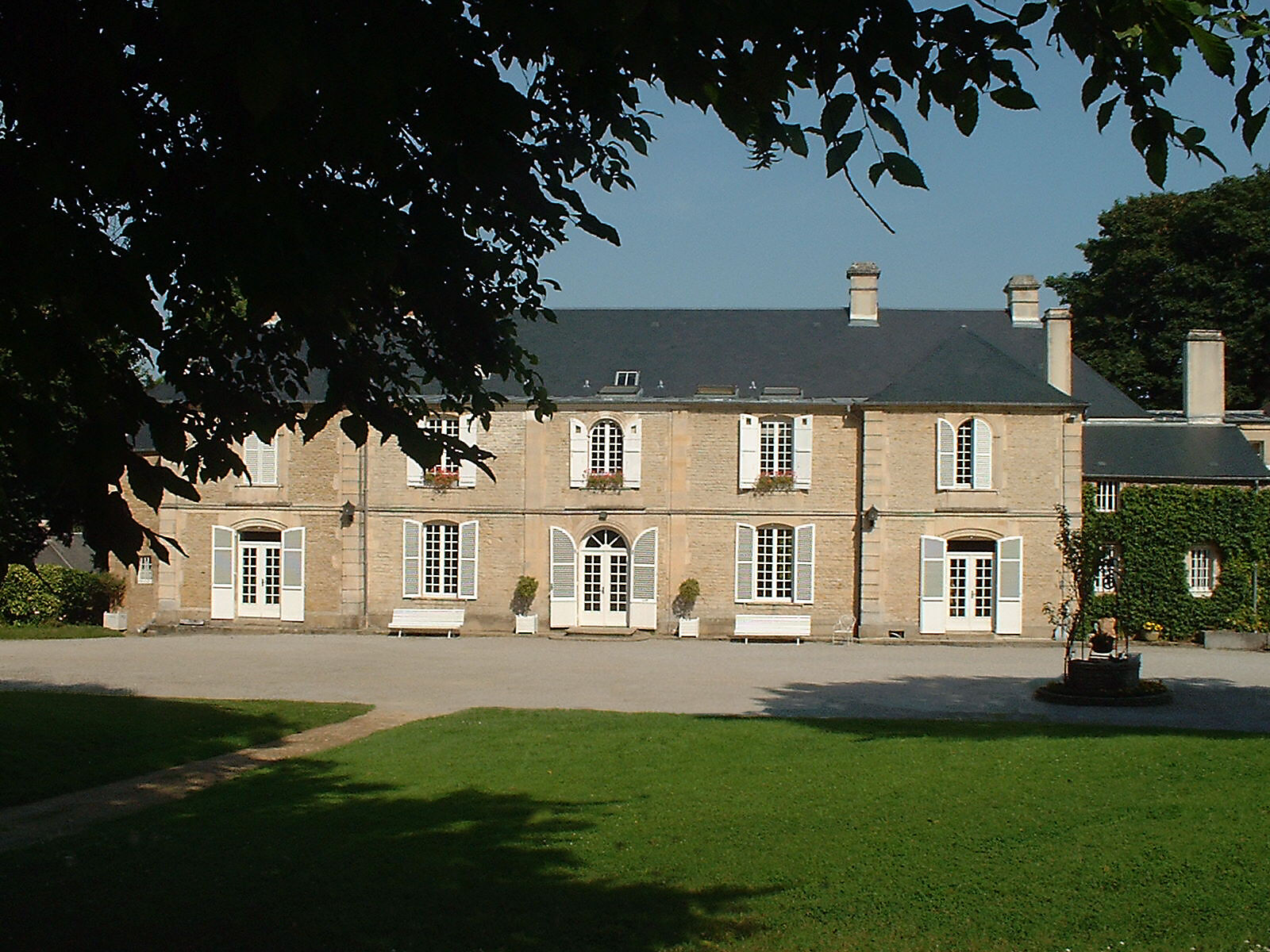
Often called the first village in France to be liberated, freed by the British 6th Airborne Division in the early hours of 6 June 1944. Its capture, beside the captured Orne bridges, anchored the eastern end of the invasion front.
A few fields east of the Caen Canal, Ranville was one of the first patches of French soil the Allies held on 6 June 1944 - and it paid for the distinction. This was the anchor of the invasion's far-left flank, the ground the British airborne had to seize and keep so that no German armour could roll along the coast into the seaborne landings. The village green calm you find today sits directly on top of that story: two burial grounds, a medieval tower, and a scatter of memorials mark where the eastern edge of the bridgehead was won and held.
The night the sky filled
Ranville's liberation belongs to the men of the 13th (Lancashire) Parachute Battalion, part of the 5th Parachute Brigade of the 6th Airborne Division, who dropped in the dark hours after midnight and cleared the village before dawn. They did not come alone. In the fields immediately north and east - the ground the planners labelled Landing Zone N - waves of Horsa and Hamilcar gliders came down through the night to deliver the jeeps, anti-tank guns and heavy kit that parachutists could not carry. Engineers worked in the dark to clear the "Rommel's asparagus" anti-glider poles the Germans had planted in the meadows.
Ranville sat just behind the two captured crossings over the Orne and the Caen Canal - the bridges later renamed Pegasus and Horsa - and the château on the edge of the village became the headquarters of the airborne division. For days afterwards the paratroopers held this eastern shoulder against repeated counterattacks while the beaches to the west filled up.
The dead of the bridgehead
The scale of that fight is written in the ground. Beside the church, Ranville Churchyard holds the earliest graves - men buried where they fell in the first hours. Among them is Lieutenant Den Brotheridge of the 2nd Oxfordshire and Buckinghamshire Light Infantry, who led the glider-borne assault onto Pegasus Bridge and is widely held to be the first Allied soldier killed by enemy fire on D-Day. His headstone carries the line his wife chose: "Out of the bitterness of war, he found the perfect peace."
Immediately alongside, the larger Ranville War Cemetery gathers well over two thousand Commonwealth graves, together with several hundred German ones laid out among them - friend and former enemy in the same walled ground. Look for the headstone of Private Emile Corteil of the Parachute Regiment, a nineteen-year-old dog handler killed on 6 June. His war dog, Glen, jumped with him and died with him; the two were found together and are buried in the same grave, the dog named on the stone.
What to see today
Ranville is easily reached from Bénouville and the bridges, a short drive to the west. Start at the church: the tall, weathered bell tower standing slightly apart from the 19th-century building is genuinely medieval, and from these upper windows the high ground was watched and fought over. The churchyard and the war cemetery lie side by side - walk both, because the story divides between them: the oldest, most makeshift graves against the church wall, the ordered ranks of the main cemetery next door.
Take time to read the personal inscriptions; on airborne graves they are often startlingly young. In the village you will also find memorials to the 6th Airborne and the parachute battalions, and it is worth simply standing in the open fields to the north to grasp how exposed a glider pilot's approach must have been. The Mémorial Pegasus museum, a few minutes away, ties it together with the original bridge, a Horsa replica and the men's own accounts - the natural companion to a visit here.
Practical notes
Ranville lies just east of the Caen Canal and the Orne, reached by the D514 and D37 from the bridges at Bénouville. There is parking beside the church and the war cemetery, and the village lanes are quiet enough that the whole visit is done on foot from there. The churchyard, the cemetery and the village memorials are open access and free.
An hour covers it comfortably: half an hour among the two burial grounds, the rest for the memorials and a walk out to the edge of the fields to the north.
The cemetery is level, with a firm path from the gate and mown grass between the rows, and it is manageable with a wheelchair or a pushchair; the churchyard next door is older ground, with uneven grass, a slight slope and worn steps in places. Café Gondrée stands beside the bridge a few minutes west and is the obvious place to break the morning, while Merville Gun Battery lies a further ten minutes north-east and completes the airborne flank.