Carentan
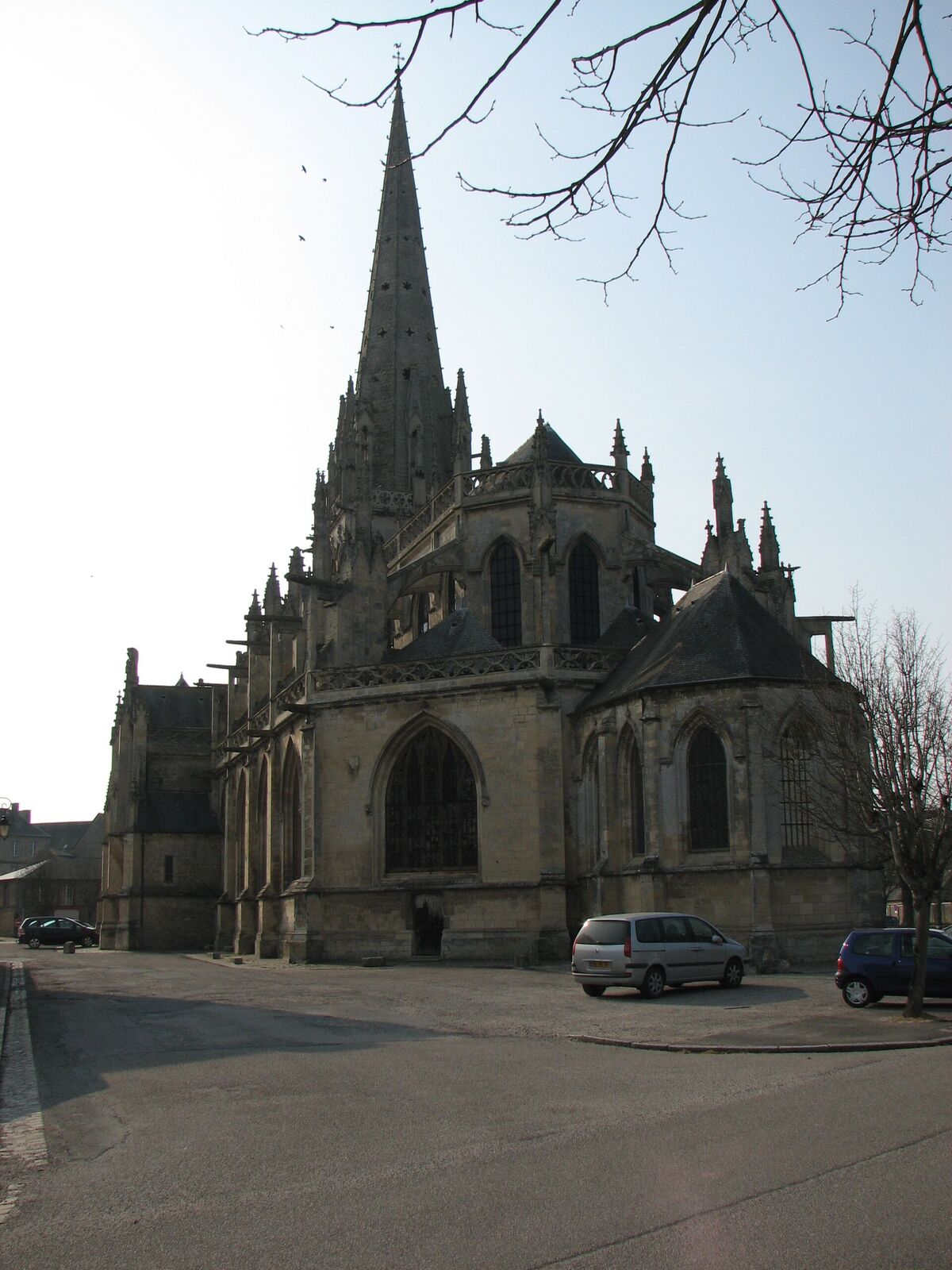
This small marshland town linked the Utah and Omaha beachheads, making its capture essential. American paratroopers took it after bitter fighting on 10-13 June 1944 and held off a German counter-attack at nearby Bloody Gulch - actions made famous by the series Band of Brothers.
Carentan sits in the low, wet ground where the Douve and Taute rivers meet, a market town that in 1944 happened to lie on the only firm road linking the two American beachheads. Take Utah and Omaha separately and you have two isolated lodgements; join them through Carentan and you have a continuous front. Both sides understood this, which is why a quiet dairy town of a few thousand people became the object of four days of some of the hardest fighting of the early campaign.
The battle for the causeway
The approach from the north was a nightmare of the defenders' making. German engineers, exploiting marshland that Napoleon's men had flooded on the same ground more than a century before, turned the fields on either side of the elevated road into open water. The result was a raised causeway barely wide enough for men to advance, crossed by a series of bridges and utterly exposed. The 3rd Battalion of the 502nd Parachute Infantry Regiment pushed down it on 10 June into a killing zone that the paratroopers named Purple Heart Lane.
Pinned at the far end by fire from a farmhouse and hedgerows, the battalion's commander, Lieutenant Colonel Robert Cole, ordered a bayonet charge and led it himself, signalling the assault with a whistle. Fewer than half the men who started the charge reached the German positions, but the shock of it broke the defence. Cole was later awarded the Medal of Honor. With their ammunition exhausted, the German paratroopers of the 6th Parachute Regiment withdrew, and American forces entered the town on 12 June.
Bloody Gulch
The town was taken, but not yet safe. On 13 June the 17th SS Panzergrenadier Division counterattacked from the southwest, near the hamlet and manor of Donville, striking the thinly held American line and nearly breaking through. The paratroopers held on until armour and self-propelled guns of the 2nd Armored Division arrived and shattered the German thrust. Survivors remembered the sunken, hedge-lined ground where they fought as Bloody Gulch. The counterattack's failure secured the link between the beaches for good.
What to see today
Carentan rewards a visitor who knows what to look for, because much of the fighting happened on ground that now looks entirely ordinary. Approaching from Saint-Côme-du-Mont on the old Cherbourg road, you pass the crossroads known as Dead Man's Corner, named for a knocked-out American tank whose dead commander remained visible in the turret for days; the house on the corner is now a museum devoted to the airborne fight here, with the Douve causeway and its bridges just beyond. The marsh has largely been drained, but stand on the raised road and the exposure the paratroopers faced is still legible in the flatness on either side.
In the town itself, the street corners filmed for the series that made this battle famous are recognisable to those carrying period photographs, and monuments to the 101st Airborne and the regiments that fought here mark the squares and roadsides. West of the centre lies the countryside of Bloody Gulch, best appreciated from the narrow lanes between the hedgerows that channelled the fighting.
Two nearby museums help set the scene: the airborne collection at Dead Man's Corner, and the larger Normandy Victory Museum a short drive east at Catz, which reconstructs the hedgerow war through vehicles and dioramas. Carentan is compact and walkable, and its restored centre makes an easy base between Utah Beach and Sainte-Mère-Église. Take an hour to walk the causeway on foot; no display conveys the ground as plainly as the road itself.
Practical notes
Carentan sits just off the N13, the main road between Cherbourg and Bayeux, so it is easy to reach from either American beach. Come in on the old road from the north if you can, past Dead Man's Corner, because that approach puts the causeway and its bridges in front of you before you reach the town. There is parking around the central squares and near the marina, and the historic centre is small enough to leave the car once and walk.
Allow two to three hours: an hour in the town, and an hour on the causeway and at Dead Man's Corner. The museums here are ticketed; the town itself and the causeway cost nothing.
The centre is flat, paved and comfortable with a wheelchair or a pushchair, and the causeway road has a hard surface, though it carries traffic and has no proper footway in places, so keep well in. The lanes west of town around Bloody Gulch are narrow, banked and best driven rather than walked. Nearby, the tiny church at Angoville-au-Plain, where two American medics treated the wounded of both sides, is ten minutes away, and the memorial at Graignes rounds out the story of the marshes south of the town.