Sainte-Marie-du-Mont
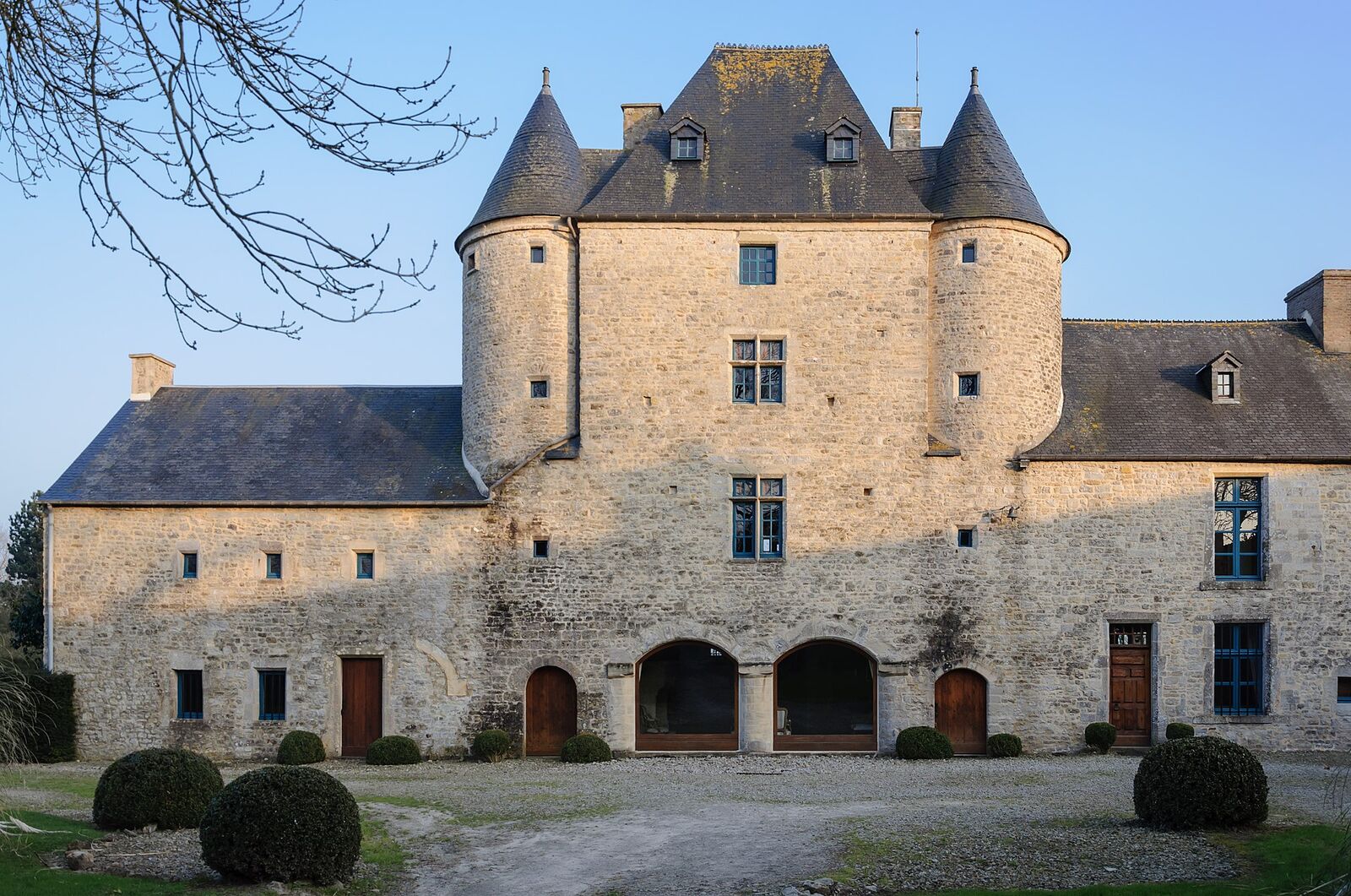
A village just inland from Utah Beach, among the first liberated on D-Day by men of the US 4th Infantry Division and scattered paratroopers of the 101st Airborne. A self-guided trail of plaques winds through the church square, and the Utah Beach Landing Museum stands a few kilometres away on the dunes.
Most visitors race past Sainte-Marie-du-Mont on their way to the beach, which is a mistake. This small farming village, set in the flat, hedge-lined country a few kilometres behind the dunes, was one of the very first places in France wrested from German control on 6 June 1944 - and much of what happened here decided whether the men wading ashore at Utah Beach would live or die. It rewards an hour on foot far more than a drive-through glance.
The night the sky filled with parachutes
In the early hours of D-Day, before a single landing craft touched the sand, the fields around the village were seeded with American paratroopers of the 101st Airborne Division, dropped into the zone codenamed "C". A bank of cloud and heavy anti-aircraft fire scattered the transport planes, so the men came down not in tidy sticks but singly and in small clusters, often kilometres from where they were meant to be. Some landed on rooftops and in the square itself.
The village was held by German artillery troops who had turned the tall church tower into an observation post, watching the coast road and the causeways that were the only dry exits from the flooded ground behind the beach. Fighting broke out in the dark and swirled through the square, the churchyard and the surrounding houses, which changed hands more than once. By first light the paratroopers held the village, and Sainte-Marie-du-Mont is widely remembered as the first community liberated on French soil that day.
The guns at Brécourt
The most consequential action took place just outside the village, at the Brécourt farm. A battery of German 105mm field guns there was firing directly onto Utah Beach and the vital causeway inland. A small group from Easy Company of the 506th Parachute Infantry Regiment, led by Lieutenant Richard Winters, attacked the position through the hedgerows and trenches, knocking out the guns one after another despite being heavily outnumbered. On the body of a defender they found a map marking German gun positions all across the sector - an intelligence windfall. The assault is still taught at West Point as a textbook example of a small unit attacking a fixed position, and it reached a wider audience through the series Band of Brothers. Winters was awarded the Distinguished Service Cross.
What to see today
Start in the square beneath the church of Notre-Dame, whose unusual lantern tower - the very post the Germans used - is the natural centre of a self-guided walk. Take time before going inside to read the interpretive panels and plaques that ring the square; they set out the night's events street by street, and several honour the airborne units and individual actions. Look closely at the church walls and tower: the stone is still chipped and pitted with the scars of 1944, and inside, the church now carries panels telling its own wartime story, including photographs of the damage and of the first Mass held here days after the liberation.
From the square the village is small enough to walk in its entirety, and the surrounding lanes and hedge-banks give a real sense of the close, blind country the paratroopers fought through in the dark. When you have finished, drive the few kilometres seaward to La Madeleine, where the Utah Beach Landing Museum stands on the dunes among original bunkers, built directly over the ground the men here fought to open. Seeing the village first, then the beach, restores the sequence of that morning - inland before the shore - in the order it actually unfolded.
Practical notes
The village lies on the flat lanes between Carentan and the coast and is signed from every direction. The square in front of the church is the place to leave the car, with more room on the roads leading off it, and nothing here needs a second stop by vehicle: the walk covers the whole village. Allow an hour on foot, longer if you sit with the panels, and add half a day if you go on to the beach museum afterwards. The square, the panels and the church are open access and free.
The square and the main street are paved and level and present no problem with a wheelchair or a pushchair, and the church has only a shallow step at the door. The outer lanes are a different matter, narrow, without pavement and with soft verges, so keep to the village core if wheels are a consideration and watch for farm traffic on the bends.
The land at Brécourt is private working farmland and is read from the roadside rather than walked, so treat it as a stop of a few minutes. For a quieter counterpart, the church at Angoville-au-Plain a short drive away served as an aid post through the fighting and takes very little time to see, and Sainte-Mère-Église is a quarter of an hour north if you are building a day around the airborne landings.