Bréville-les-Monts
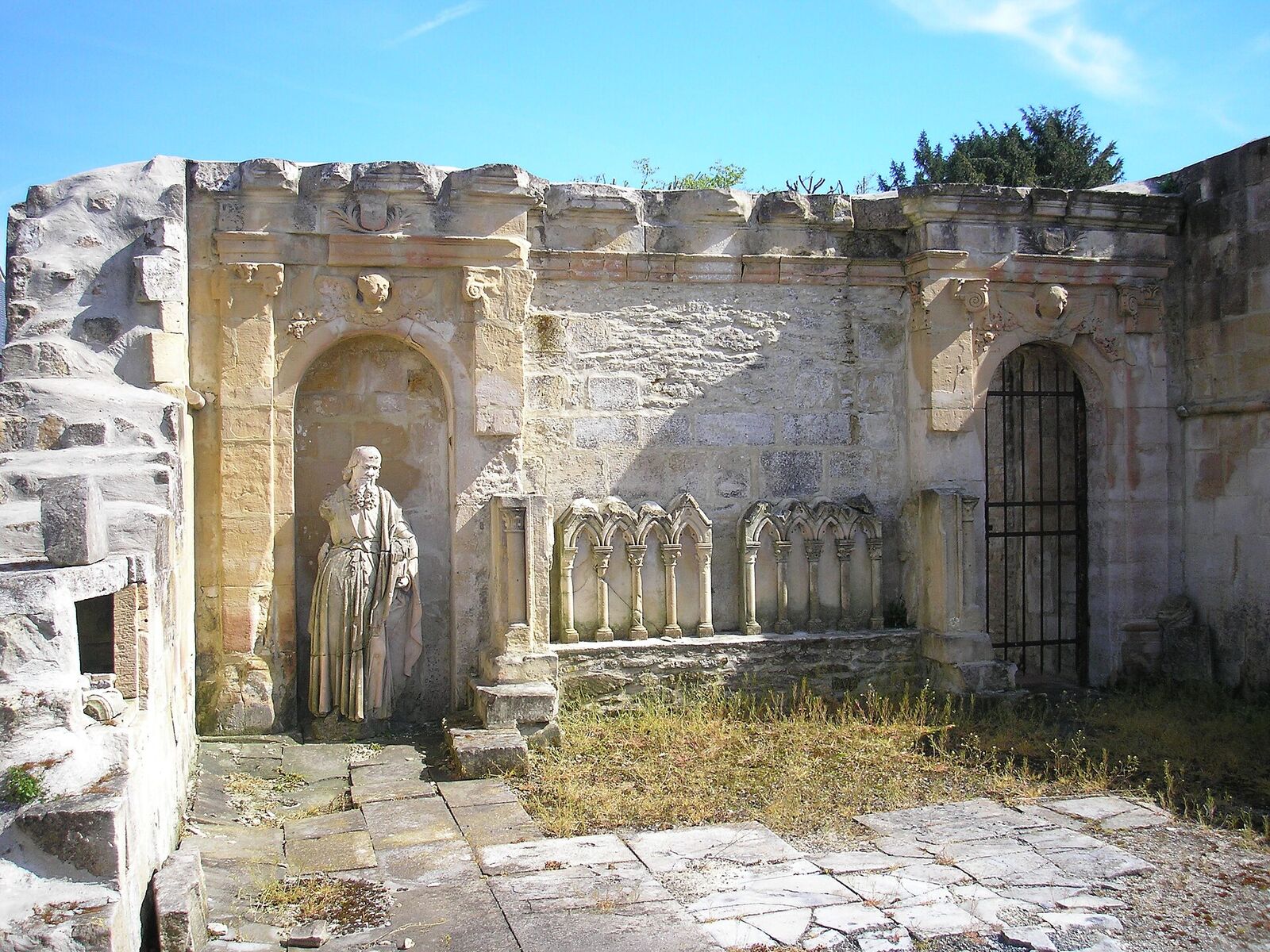
A hilltop village east of the Orne taken in a costly night assault on 12 June 1944 that finally secured the eastern flank of the airborne bridgehead. Memorials here honour the British 6th Airborne and 51st (Highland) Divisions who held the high ground.
Bréville sits on a low ridge east of the River Orne, close enough to the coast that from its fields you can sense the sea. In June 1944 that modest height was worth more than any château or crossroads. Whoever held Bréville looked down on the entire eastern flank of the airborne bridgehead - the ground the 6th Airborne Division had seized on D-Day to guard the left of the whole invasion. For nearly a week the village was the one gap the Germans could still push through, and closing it cost a night of some of the bitterest fighting of the Normandy campaign.
Why the ridge mattered
After the gliders and parachutes of 6 June, the British held a fragile perimeter between the Orne and the flooded Dives valley. Bréville, and the woods and the Château Saint-Côme just to its east, remained in German hands, and from there attacks could be launched straight at the divisional line. Through 8-12 June the newly arrived 51st (Highland) Division fought a grinding action in the Bois des Monts and around the château. The Black Watch, in their first engagement in Normandy, were caught by mortars and machine-gun fire on the exposed high ground and took heavy losses over those days. The threat from the village would not go away by attrition alone.
The night attack, 12 June
On the evening of 12 June the divisional commander, Major-General Richard Gale, committed his last reserve. The assault fell to the 12th (Yorkshire) Parachute Battalion under Lieutenant-Colonel Johnny Johnson, reinforced by a company of the 12th Devonshires, men of the 22nd Independent Parachute Company, Sherman tanks of the 13th/18th Royal Hussars and the guns of several field regiments. Around 2145 a heavy barrage came down on Bréville; minutes later the paratroopers crossed the start line from Amfreville, moving over open ground toward the burning houses under intense fire.
The cost was appalling and largely self-inflicted by the chaos of the night. A shell falling short burst among a group of senior officers: Colonel Johnson was killed, and both Brigadier Lord Lovat of the commando brigade and Brigadier Hugh Kindersley of the airlanding brigade were gravely wounded and out of the war. It is often said that nearly every officer and senior NCO who went in was killed or hit. Later, a communications failure led supporting gunners to believe the village was still German-held, and more fire came down on men who had already taken it. Yet by night's end Bréville was secured, the ridge held, and the German counterattacks against the airborne bridgehead effectively broken. The village memorial records that 162 men of the division died; they lie in the Commonwealth cemetery at Ranville.
What to see today
Bréville rewards a slow visit on foot. In the centre, at the junction of the D37B and D223, stands the memorial to the villagers killed in 1944 and to the paratroopers and Devons who took the village - read the inscription, which names the units and points you to the graves at Ranville. Walk or drive east along the D37B toward the private Château Saint-Côme: this quiet lane was the front line, held until mid-August. In front of the château gates a cluster of monuments marks the fighting in the Bois des Monts - a memorial to the battle, a monument to the Dutch Princess Irene Brigade who came up late in the action, and a plinth honouring the Highland Division and the Black Watch. One of these long carried a bronze Highland piper by the sculptor Alan Herriot; the figure was stolen in 2026, shortly before the 82nd anniversary of the landings, and efforts were under way to replace it. Stand on the ridge and look west toward the Orne and the sea, and the reason so many died for a small farming village becomes plain.
Practical notes
Bréville is a small village on the ridge east of the Orne, reached on the D37B or the D223 from Ranville or Amfreville. There is no dedicated car park; pull in tidily near the memorial at the junction in the centre, or by the verge on the lane east toward the château, and be mindful that these are working farm roads. Everything here is outdoors, open access and free.
Allow forty-five minutes to an hour: ten minutes at the village memorial, and the rest walking or driving the kilometre or so east to the cluster of monuments at the château gates.
The village itself is flat and the pavements are short but usable, so the central memorial is fine with a wheelchair or a pushchair. The lane east has no footway, a rough grass verge and a gentle but persistent rise, so it is more comfortable driven than pushed. The château is private and can only be seen from the gates. Bréville sits naturally between the two great airborne objectives, and most visitors take it with Pegasus Bridge to the south and the casemates of the Merville Gun Battery a few minutes to the north-east.